
When to Book Vehicle Air Conditioning Regassing for Your Car
A comfortable cabin environment plays an important role in safe and focused driving, particularly during Australia’s summer months. Long exposure to heat inside a vehicle can increase fatigue, reduce concentration, and place unnecessary strain on both the driver and the vehicle’s sensitive systems. This is why routine air conditioning maintenance should never be ignored.
One of the most essential services in maintaining optimal cooling performance is vehicle air conditioning regassing. But as time passes, refrigerant levels naturally reduce, minimising the system’s efficiency and placing additional load on important components. Recognising the early warning signs can help you prevent expensive repairs and ensure your vehicle performs reliably on the road.
Strange Noise from the Air Conditioning System
Unusual sounds from the AC system while running are often linked to low refrigerant levels or to stress on components such as the compressor.
Common noises include:
- Grinding or squeaking suggests compressor stress due to insufficient lubrication.
- A hissing or bubbling noise indicates a refrigerator leak.
- Clicking or rattling could point to loose or worn parts.
Ice on the Refrigerant Lines
Visible ice forming on your air conditioning lines or the compressor is a less common but serious sign that something is not right.
Ice can develop due to:
- Poor airflow over the evaporator
- Moisture in the system
- Low refrigerant is causing the evaporator core to freeze
If you see ice buildup, it is essential to seek professional inspection and possible regassing to restore proper operation.
Weak or Inconsistent Cooling Output
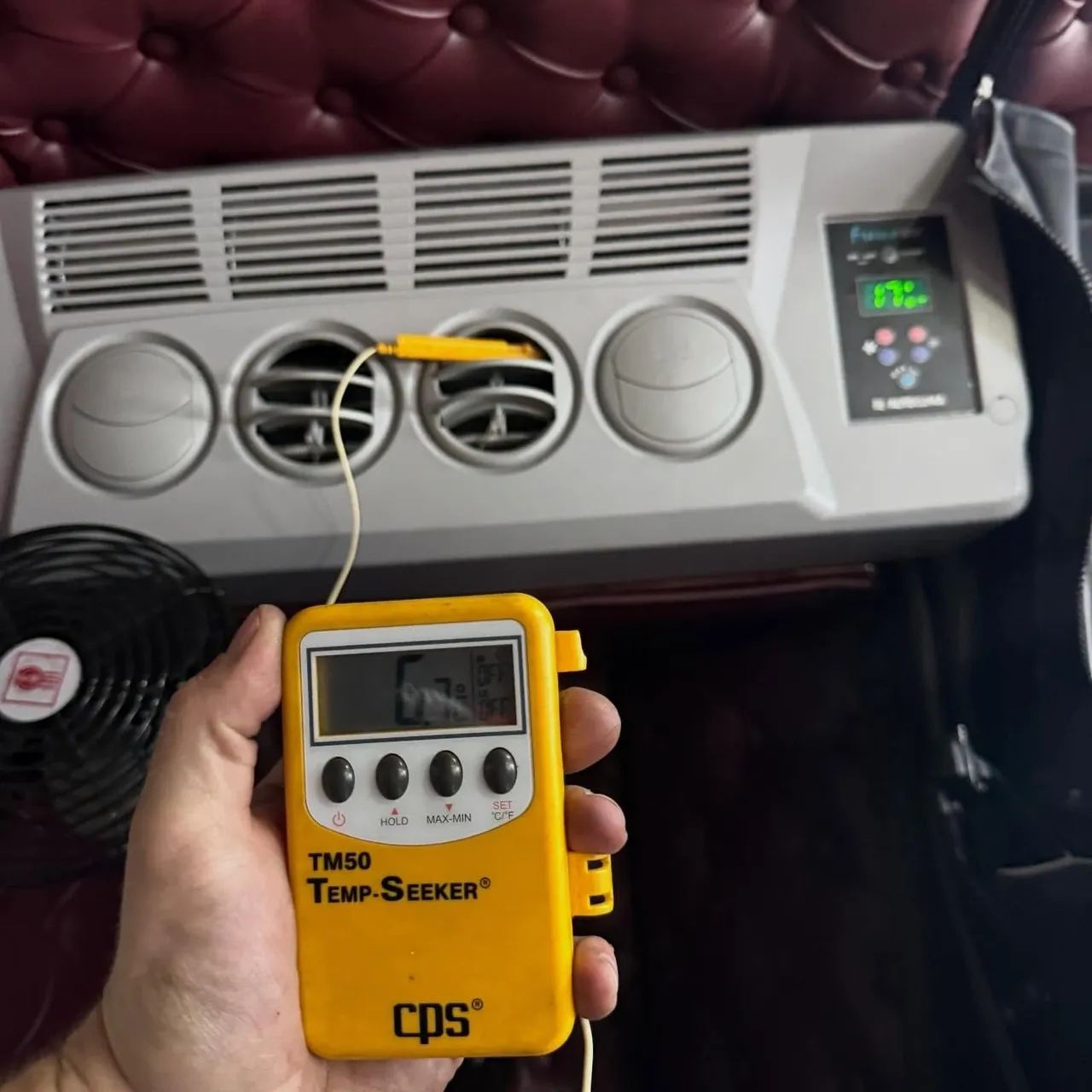
One of the most obvious symptoms that your vehicle’s air conditioning system needs regassing is weak airflow or inconsistent cooling.
If your AC:
- Takes significantly longer to cool the cabin
- Feels uneven
- Blows warm air even when the temperature is set at low
If you experience these, then low refrigerant levels might be the issue. Refrigerant absorbs heat from inside the car, and inefficient amounts reduce the system’s cooling efficiency.
Visible Refrigerant Leaks Under the Car
Refrigerant leaks are not always easy to detect, but sometimes oil or dye from the system can leave visible wet spots or stains under your vehicle.
Leaks usually occur around compressor seals, hoses, and O-rings, as well as in the condenser and evaporator areas. If you notice such signs, it is critical to stop driving the vehicle and arrange for a regassing or inspection immediately.
Higher Engine Temperature
A poorly functioning AC system affects the engine’s performance. When refrigerant levels are low, the air conditioner compressor must work harder, increasing engine load and fuel consumption.
Signs related to this include:
- Reduced fuel efficiency
- Sluggish performance when A/C is engaged
- Higher than usual engine temperature
Age of the Vehicle and Time Since Last Service
Even if you are not noticing symptoms, your vehicle’s service history is important. Refrigerant naturally deteriorates over time, and even in sealed systems, small amounts are still lost.
Most automotive experts suggest checking refrigerant levels every:
- 12–18 months for vehicles in hot climates
- 2–3 years for regular commuters
Warm Air After Initial Cold Blast
Some drivers report that the air conditioner blows cold initially when switched on, but the temperature quickly rises. This often points to insufficient refrigerant, enough to start cooling but not enough to sustain it.
Factors that contribute to this kind of situation include:
- Minor leaks that progressively worsen
- Gradual refrigerant loss over time
- System inefficiencies due to component wear
Restore Your Cooling with Expert Vehicle Air Conditioning Regassing
At BSC Auto Electrical, your vehicle’s performance and comfort are our top priorities. We understand that reliable air conditioning is not just about comfort; it directly affects your driving safety, fuel economy, and long-term vehicle health. That is why we provide thorough diagnostic testing, leak detection, electrical fault tracing, compressor inspections, and complete air conditioning servicing, personalised to your vehicle’s specifications.
If you are driving in Camden or the surrounding areas and have noticed reduced cooling, unusual noises or inconsistent airflow, you do not need to second-guess the problem. Our experienced technicians use advanced equipment to accurately assess the system, identify hidden issues, and perform precise vehicle air conditioning regassing in accordance with manufacturer specifications.
We conduct a comprehensive system inspection to ensure pressure balance, component integrity, and optimal cooling output. This thorough approach protects your compressor, prevents future leaks and extends the lifespan of your entire air conditioning system.
If your vehicle’s air conditioning system isn’t performing as it should, don’t wait for it to get worse; contact us to book a service or regassing today.